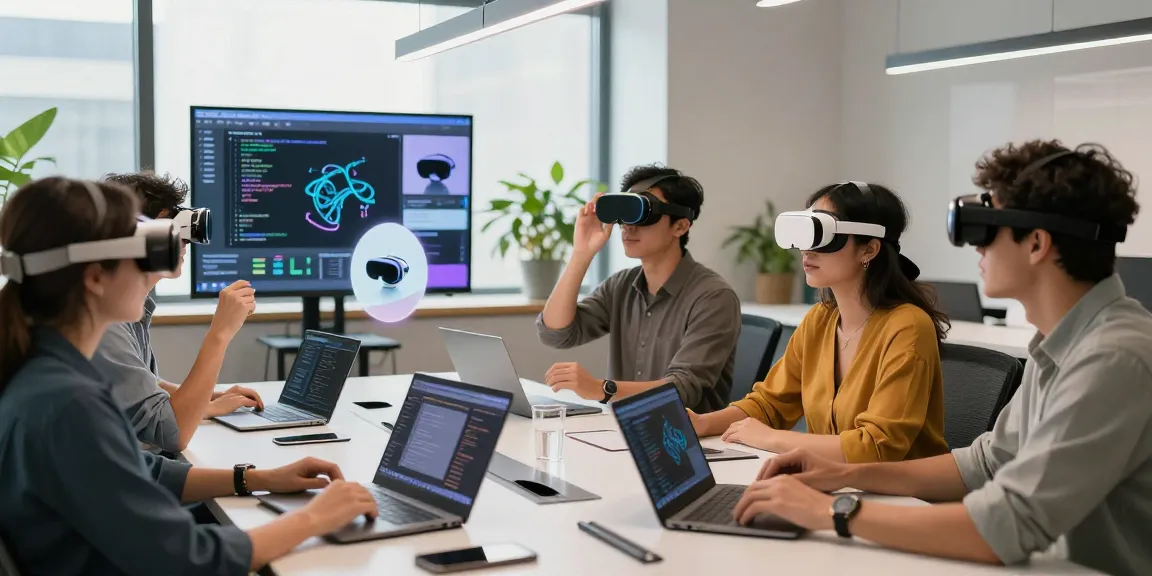
Understanding AR Glasses: What They Are and How They Work
Augmented Reality (AR) glasses are an innovative leap in technology that allow users to experience a blend of digital and physical worlds. These advanced devices incorporate visual graphics, sounds, and other sensory inputs to enhance the user's perception of reality. As AR technology continues to evolve, so too do the capabilities and applications of AR glasses, solidifying their place in various industries by 2026. When exploring options, AR glasses provide comprehensive insights into the rapidly growing field of augmented reality.
Defining Augmented Reality Technology
Augmented Reality is a technology that overlays digital information on the real world, enhancing the user's interaction and experience. Unlike Virtual Reality (VR), which immerses users in a completely digital environment, AR integrates computer-generated images, sounds, and text into the physical world. This technology relies on sensors, cameras, and algorithms to deliver interactive experiences that can be accessed through various devices, with AR glasses at the forefront.
Key Components of AR Glasses
AR glasses consist of several crucial components that work together to provide an immersive experience. These include:
- Optics: The lenses and displays that facilitate the projection of digital images onto the user's field of view.
- Sensors: Cameras and motion detectors that track the environment and the user's movements for accurate overlay of digital content.
- Processing Power: Internal CPUs and GPUs that handle the heavy lifting of rendering graphics and processing information in real-time.
- Connectivity: Wi-Fi or Bluetooth capabilities to connect to other devices, enabling online functionality and data exchange.
How AR Glasses Enhance User Experience
AR glasses enhance user experience by providing contextual information that users can access in real time. For instance, in a manufacturing environment, workers can see assembly instructions directly overlaid on the components they are working with, reducing errors and improving efficiency. Additionally, AR glasses can facilitate social interactions by allowing users to share experiences or collaborate remotely in a more engaging way.
Innovative Applications of AR Glasses in 2026
The potential applications of AR glasses are vast and diverse, impacting various sectors. As we move into 2026, several innovative uses are emerging across industries.
AR Glasses in Gaming: Immersive Experiences
The gaming industry is arguably one of the most exciting sectors for AR glasses. By merging the digital and physical worlds, developers can create immersive gaming experiences that allow players to interact with virtual objects as if they were real. Games like Pokémon GO have laid the groundwork for AR gaming, but advancements in AR glasses are poised to take this experience to new heights, incorporating advanced gameplay mechanics and narrative storytelling.
Transforming Education with AR Technology
In education, AR glasses can revolutionize how students learn by providing engaging, interactive content. For instance, medical students can use AR to visualize complex anatomy in 3D while still in the classroom. Similarly, history lessons can come to life as students see historical events reenacted through their smart glasses. This type of experiential learning not only enhances retention but also makes education more accessible and enjoyable.
Healthcare Advancements through Augmented Reality
In healthcare, AR glasses are transforming patient care and medical education. Surgeons can wear AR glasses during operations to overlay vital statistics and 3D anatomical models directly onto the patient, providing enhanced precision and safety. Moreover, AR can assist in training medical professionals, offering simulations that replicate real-life scenarios without the associated risks.
Challenges in the Adoption of AR Glasses
While the potential of AR glasses is impressive, several challenges hinder widespread adoption. Understanding these obstacles is crucial for developers and businesses looking to integrate AR into their operations.
Technical Limitations and Usability Issues
One significant challenge is the technical limitations of current AR glasses. Issues such as battery life, processing power, and display resolution can impact usability. While manufacturers are making strides in these areas, the demand for lightweight, comfortable, and high-performing devices remains a hurdle. Additionally, the learning curve associated with using AR technology can deter users who are not tech-savvy.
Public Perception and Acceptance of AR
Public perception plays a critical role in the adoption of new technologies. Many potential users harbor skepticism about AR glasses, often viewing them as gimmicks or invasive devices. Building trust and demonstrating the practical benefits of AR in everyday life will be essential for gaining acceptance among consumers and businesses alike.
Privacy Concerns with Augmented Reality Devices
The integration of AR glasses into daily life raises significant privacy concerns. With the ability to record video and capture images, there are fears about unauthorized surveillance and data misuse. Addressing these concerns through transparent policies and robust security features will be crucial for manufacturers aimed at entering markets that prioritize privacy.
Best Practices for Using AR Glasses in Professional Settings
To maximize the benefits of AR glasses in professional environments, businesses must follow specific best practices. This ensures that they are used effectively and can enhance productivity.
Integrating AR Glasses into Workflow
Seamless integration of AR glasses into existing workflows is essential for their success. Companies should identify specific use cases where AR can add value—such as remote assistance or training—and develop tailored applications that fit within their operational framework.
Training Employees to Utilize AR Effectively
Effective training programs are critical to help employees understand how to use AR glasses. This involves not just technical training but also education on best practices for utilizing AR features in their specific roles. By fostering an environment of learning and experimentation, organizations can empower their teams to get the most out of this technology.
Case Studies of Successful AR Implementation
Learning from successful AR implementations can provide valuable insights. Case studies from industries such as logistics, construction, and healthcare demonstrate how AR glasses can lead to significant efficiency gains and improved outcomes. By analyzing these examples, businesses can tailor their strategies to suit their unique contexts.
The Future of AR Glasses: Trends and Predictions for 2026 and Beyond
As we look towards the future, several trends are poised to shape the trajectory of AR glasses and their applications in society.
Emerging Technologies Enhancing AR Capabilities
Advancements in related technologies, such as AI and 5G, are set to enhance the capabilities of AR glasses significantly. AI can improve the recognition of objects and environments, creating more interactive and context-aware experiences. Meanwhile, 5G will provide the necessary bandwidth to allow for the transmission of high-fidelity graphics and real-time data, critical for AR applications.
Market Projections and Growth in the AR Sector
The AR market is expected to experience substantial growth, with projections estimating it will reach over $200 billion by 2026. Businesses across industries are increasingly recognizing the value of AR in enhancing customer experiences, streamlining operations, and improving training methodologies. This growth will drive further innovation and investment in AR technology.
Expert Insights on the Evolution of Augmented Reality
Experts predict that the evolution of AR will focus on creating more user-friendly and socially acceptable devices. Future AR glasses are likely to be sleeker, more comfortable, and will incorporate advanced features such as voice recognition and gesture control, allowing for hands-free operation and more intuitive interactions.
How Do AR Glasses Impact Daily Life?
AR glasses will significantly alter daily life, providing users with real-time information and enhancing their decision-making processes. Imagine walking down a street and being able to view reviews of restaurants, directions to your destination, or even information about historical landmarks, all displayed over the real-world environment. This level of integration will make daily tasks easier and more informed.
Are AR Glasses the Future of Communication?
AR glasses could redefine communication by enabling holographic meetings, where remote participants can interact as if present in the same room. This technology has the potential to break down geographical barriers and enhance collaboration across teams globally, leading to more effective teamwork.
What Innovations Can We Expect in AR Technology?
The future of AR technology holds exciting possibilities, including the development of AR systems that adapt to individual user preferences. Innovations such as real-time translation of foreign languages displayed directly through AR glasses will facilitate smoother interactions in diverse environments.